blog

🧴 Hair Fall After Moving Abroad

🧠 Stress & Lifestyle Change

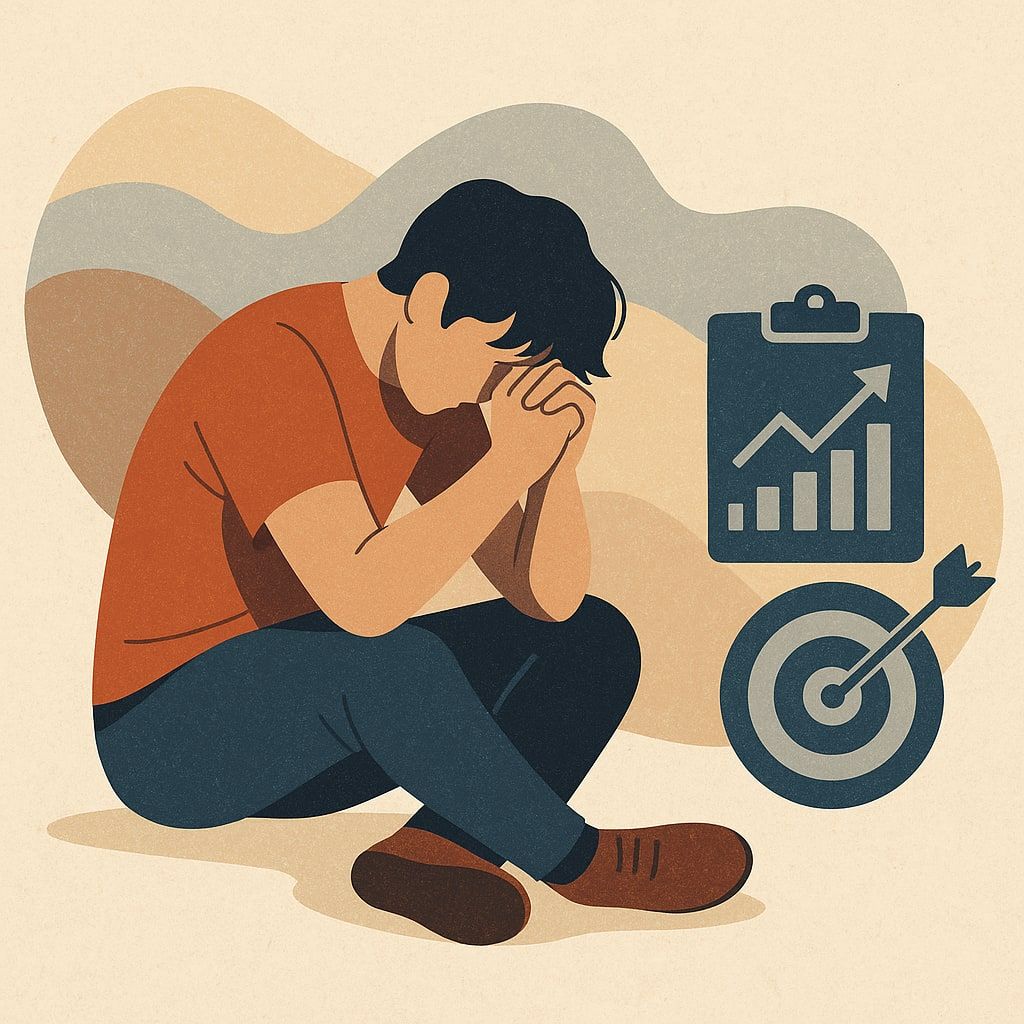
Moving abroad — new job, new routine, homesickness, adjusting to a different culture — can raise stress hormones like cortisol. High stress can disrupt the normal hair growth cycle and push more hairs into the shedding phase (called telogen effluvium). This means you might notice more hair fall weeks to months after the stressful event.

LATEST ARTICLES

Environmental Differences

Different countries can have very different:

  • Climate (dry vs humid air)

  • Sun exposure and UV levels

  • Pollution and air quality
    These can affect scalp hydration and hair strength — dry environments can make hair brittle, while humidity can clog follicles.

💧 Water Quality

Water hardness, mineral content, or chlorine levels differ widely around the world:

  • Hard water (high mineral content) may make hair dry and more prone to breakage.

  • Some people perceive worse shedding because hair feels different or more tangled with local water quality.
    Note: Experts say water quality might play a role in hair texture and breakage, but strong evidence linking it directly to major hair loss is limited.

🍽️ Diet & Nutrition Changes

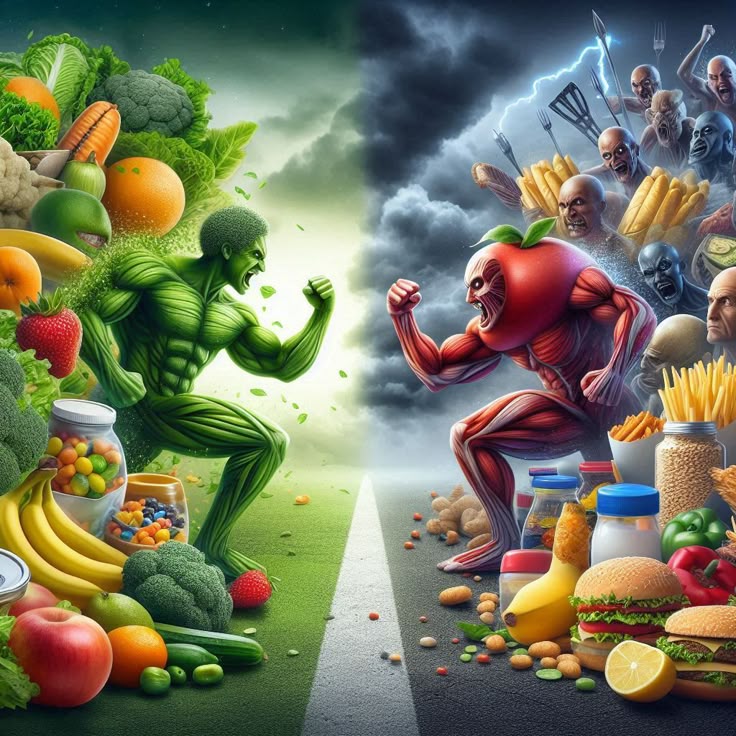
When you move abroad, your diet often changes — fewer familiar home-cooked meals, different micronutrient intake, new eating patterns — which can affect hair health. Deficiencies in iron, protein, vitamin D, or biotin are known contributors to hair loss.

🛌 Sleep & Jet Lag

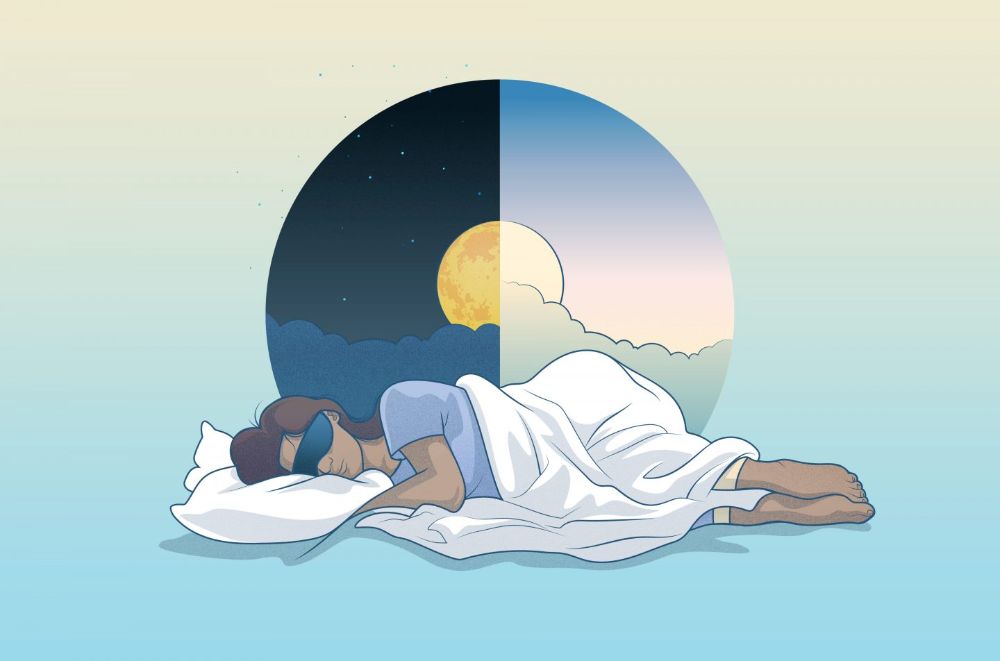
Long flights and adjusting to a new timezone disrupt sleep patterns. Poor sleep influences hormone balance and can indirectly contribute to hair thinning.

🔁 Temporary Shedding Is Normal

Sometimes the hair fall you notice after moving abroad actually reflects stress or health events from 2–3 months earlier. Hair shedding has a delayed cycle.

🧪 When It’s Not Just the Move

While many people report hair changes after relocation — as seen in personal accounts — doctors say there’s no strong evidence that simply moving abroad directly causes hair loss on its own. Instead it’s the combined effects of stress, environment, diet, lifestyle changes, and potentially underlying hair conditions that trigger it.

✅ What You Can Do

Improve Diet

Protein, iron, zinc, omega-3 & vitamins support hair strength. A balanced nutrient intake helps hair regrow

By Doctors

Manage Stress

Meditation, regular sleep, light exercise, and social support help lower stress hormones.

By Doctors

Adjust Hair Care Routine

Protein, iron, zinc, omega-3 & vitamins support hair strength. A balanced nutrient intake helps hair regrow

By Doctors

Get Medical Check-Up

A dermatologist or trichologist can check for deficiencies, hormonal causes, or pattern hair loss.

By Doctors

Scroll to Top