blog

Best Haf Care Routine for NRIs

🧠 Stress & Lifestyle Change

Here’s a practical, well-rounded hair care routine tailored for NRIs (people living abroad) — especially those dealing with hard water, climate changes (cold/dry or hot/humid), scalp dryness, dandruff, itchiness, and hair weakening. This routine combines everyday habits, weekly treatments, and season-specific tips that dermatologists and trichologists recommend.


📅 Daily & Weekly Hair Care Routine

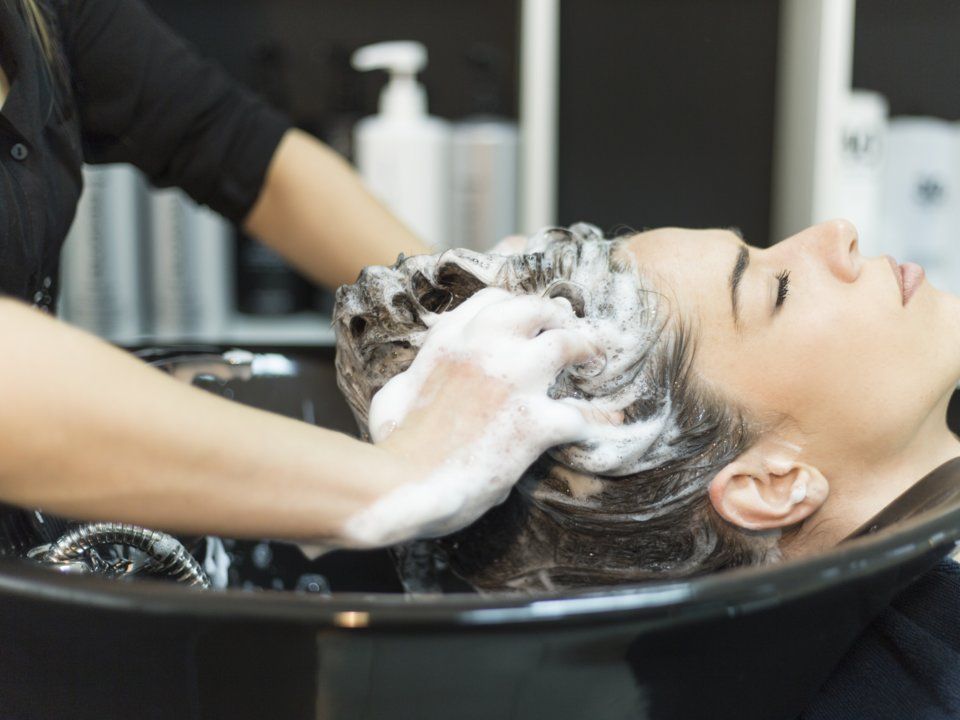
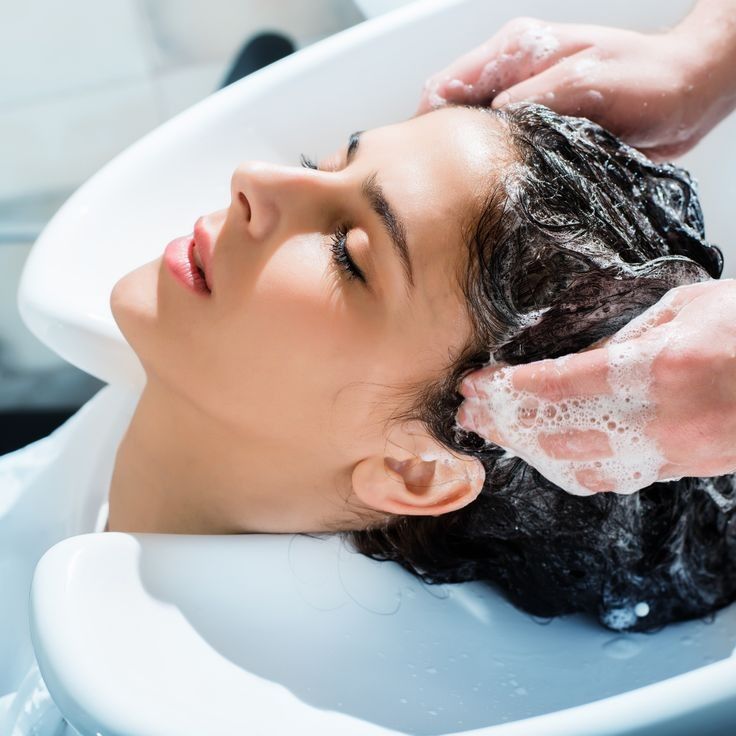
🧴 1. Gentle Cleansing

Choose sulfate-free, hydrating shampoos — harsh sulfates strip natural oils and worsen dryness/itching.

✔ In hard water areas, a shower filter or rinsing with bottled/filtered water as final rinse helps reduce mineral buildup and leave hair softer.

💆‍♂️ 2. Condition Every Wash

✔ Apply conditioner from mid-lengths to ends to lock in moisture.
✔ Deep-condition or use a hair mask once weekly to repair dryness, shield from weather stress, and smooth cuticles.

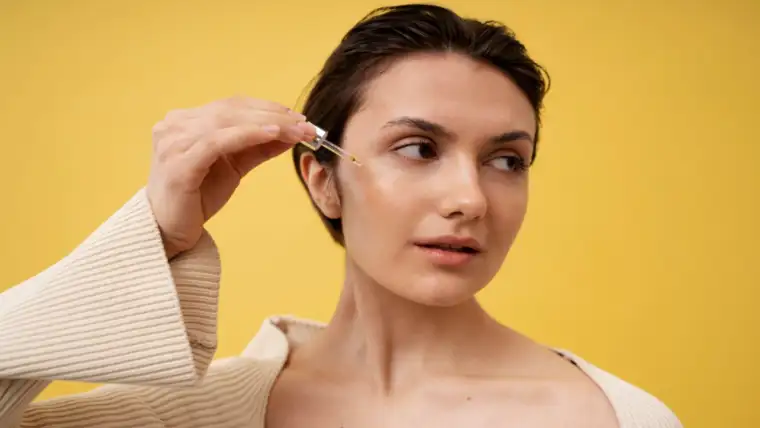
🧴 3. Oil & Scalp Care

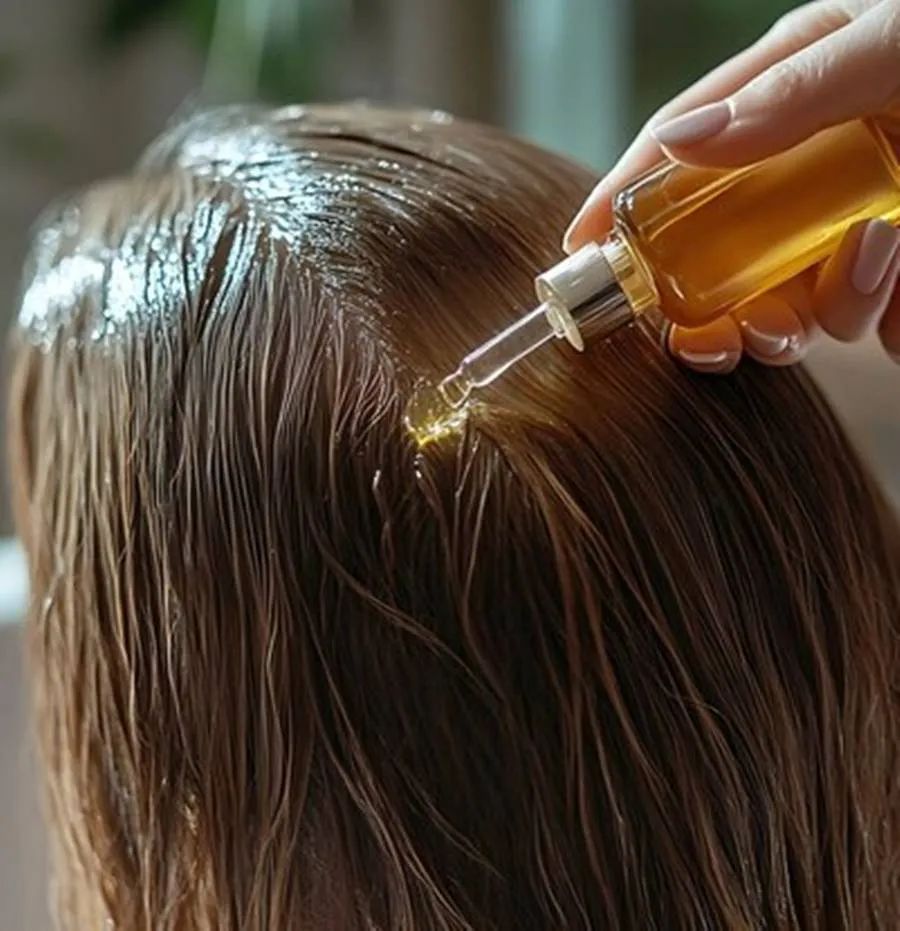
Warm oil massage once or twice a week with coconut, almond, jojoba, or sunflower oil before washing improves scalp hydration and circulation.

✔ For dry, flaky scalp: a tea tree or apple cider vinegar scalp rinse after shampooing keeps scalp balanced and reduces itch.

🌡️ 4. Temperature Tips

✔ Use lukewarm water — hot water strips oils and irritates the scalp. 
✔ A cool rinse at the end helps calm the cuticle and seals moisture.

🔁 Temporary Shedding Is Normal

Sometimes the hair fall you notice after moving abroad actually reflects stress or health events from 2–3 months earlier. Hair shedding has a delayed cycle.

🧪 When It’s Not Just the Move

While many people report hair changes after relocation — as seen in personal accounts — doctors say there’s no strong evidence that simply moving abroad directly causes hair loss on its own. Instead it’s the combined effects of stress, environment, diet, lifestyle changes, and potentially underlying hair conditions that trigger it.

☀️ Season-Specific Add-Ons

❄ Cold / Dry Climates

Use rich, hydrating masks with shea butter or aloe vera to combat dryness and frizz. Maintain indoor humidity (humidifier) to keep hair/scalp from drying. Avoid over-washing in winter — natural oils are protective.

BY DEVELOPERS

☀️ Hot / Humid Climates

Protect scalp from UV with hats or scarves when outdoors. Use antifungal shampoos with zinc pyrithione or ketoconazole if you have persistent flakes/itching.

BY DEVELOPERS

🌿 Weekly Deep Care (DIY/Add-Ons)

✔ Scalp Masks: Aloe vera, yogurt + lemon, or fenugreek paste soothe dryness and flakes. ✔ Hair Masks: Coconut oil, banana, or avocado masks deeply nourish hair.

BY DEVELOPERS

💆‍♀️ Styling & Daily Habits

✔ Avoid frequent heat styling; if needed, use heat protectant sprays. ✔ Sleep on silk/satin pillowcases to reduce friction and breakage. ✔ Keep hair tied loosely — tight styles stress roots.

BY DEVELOPERS

LATEST ARTICLES

The Secret to Lip Tints That Actually Last All Day

Not all lip tints are created equal and the reason some fade within hours while others stay put all day lies in formulation, prep, and technique. This article ….

How Does Smoking or Vaping Affect the Skin

In this article, we will look into some of the harmful effects of smoking on the skin and how one maintain their skin by reducing or leaving the habit of smoking…

Home Remedies to Increase Collagen in Skin

In this article, we will look into some of the natural remedies that people can  benefits of collagen for skin and how it prevents the skin from ageing rapidly.

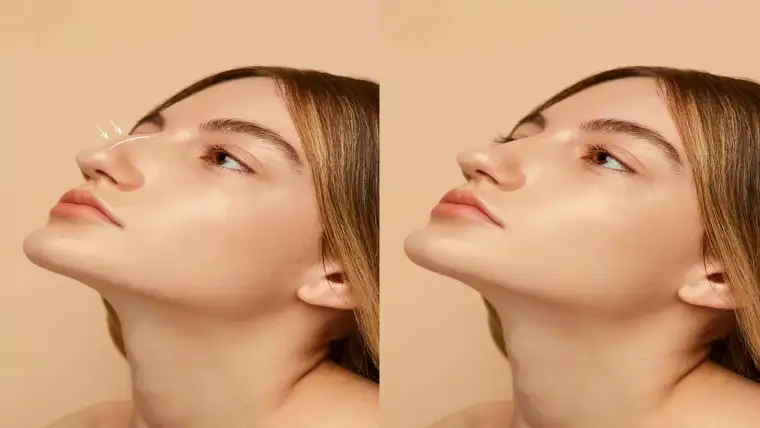
What Happens During The Nose Bone Reshaping Procedure

What Happens During The Nose Bone Reshaping Procedure

What Happens During The Nose Bone Reshaping Procedure

What Happens During The Nose Bone Reshaping Procedure

READ MORE

Not Sure When To Get Botox? Try Baby Botox For The First Time

By Doctor's

Different Types of Facial For Every Skin Type

By Doctor's

Scroll to Top