blog

Pigmientation Abroad ?

🧠 Stress & Lifestyle Change

living abroad (especially in a very different climate) can affect your skin’s pigmentation (the colour and evenness of your skin), mainly because of sun exposure, environmental changes, and skin stress. Here’s how and why it happens:

“Pigmentation Abroad” refers to seeking treatments for skin darkening (hyperpigmentation) in other countries, often for cost savings or specialized procedures, with popular destinations like Turkey offering services like chemical peels, laser treatments for age spots, and topical creams

LATEST ARTICLES

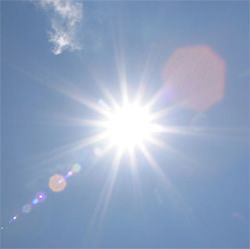
🌞 1. Sun Exposure & UV Rays

When you move to a new country β€” especially one closer to the equator, hotter, or sunnier β€” your skin gets more UV radiation than it’s used to.
UV rays stimulate melanocytes (pigment-producing cells) to make more melanin, which can lead to darker patches like melasma, tanning, or uneven pigmentation. This is one of the most common reasons pigmentation increases abroad.

πŸ”₯ 2. Climate & Skin Barrier Stress

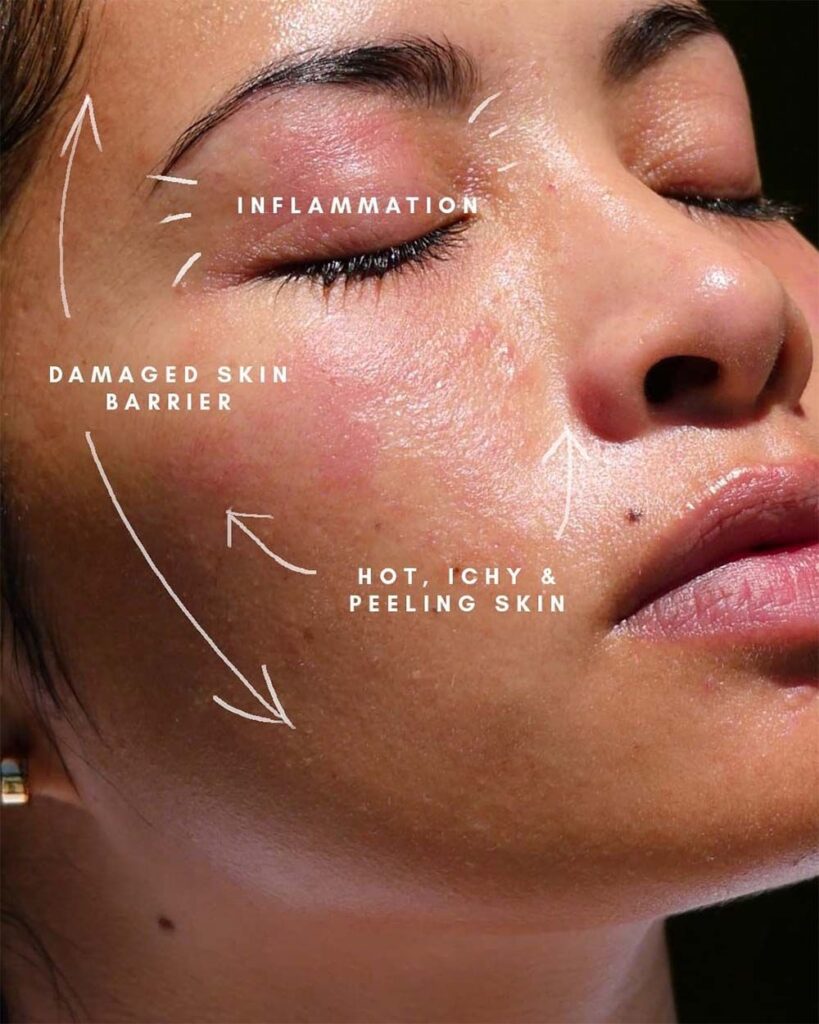
Moving to a dry, windy, or very hot environment can dry out your skin and weaken its protective barrier.
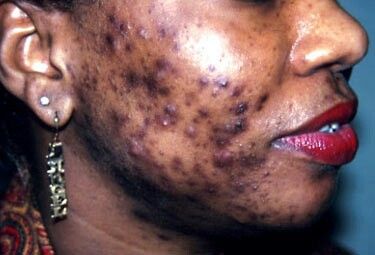
Dry, irritated skin is more prone to post-inflammatory hyperpigmentation (PIH) β€” dark spots that form after inflammation (from dryness, irritation, acne, itching, or weather stress).

🧠 3. Temperature Changes & Sweating

Heat, humidity, or frequent sweating can also trigger pigmentation in sensitive people. Combined with UV exposure, heat itself can make existing dark patches worse or more noticeable.

πŸ’†β€β™€οΈ 4. Hormonal & Genetic Factors

Some people are naturally more prone to pigmentation (melasma or dark spots) due to genetics or hormones. Sun exposure abroad can make these conditions more visible or trigger them.

πŸ” Temporary Shedding Is Normal

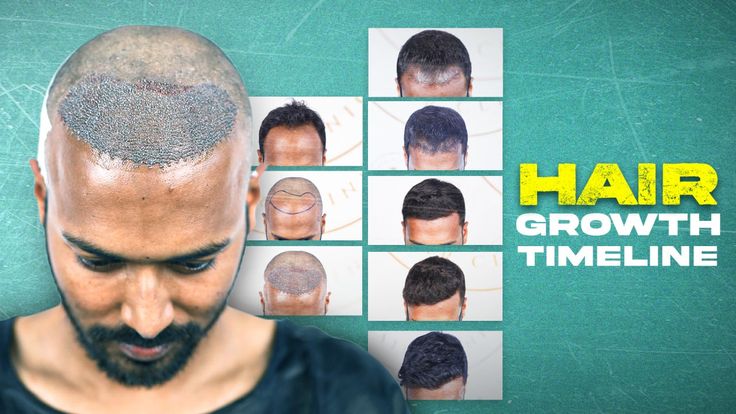
Sometimes the hair fall you notice after moving abroad actually reflects stress or health events from 2–3 months earlier. Hair shedding has a delayed cycle.

πŸ§ͺ When It’s Not Just the Move

While many people report hair changes after relocation β€” as seen in personal accounts β€” doctors say there’s no strong evidence that simply moving abroad directly causes hair loss on its own. Instead it’s the combined effects of stress, environment, diet, lifestyle changes, and potentially underlying hair conditions that trigger it.

🧴 What Kinds of Pigmentation Can Develop Abroad?

β˜€ Melasma

Brownish patches on face (cheeks, forehead, upper lip) that often worsen with sun exposure. Common in many skin types.

By Doctors

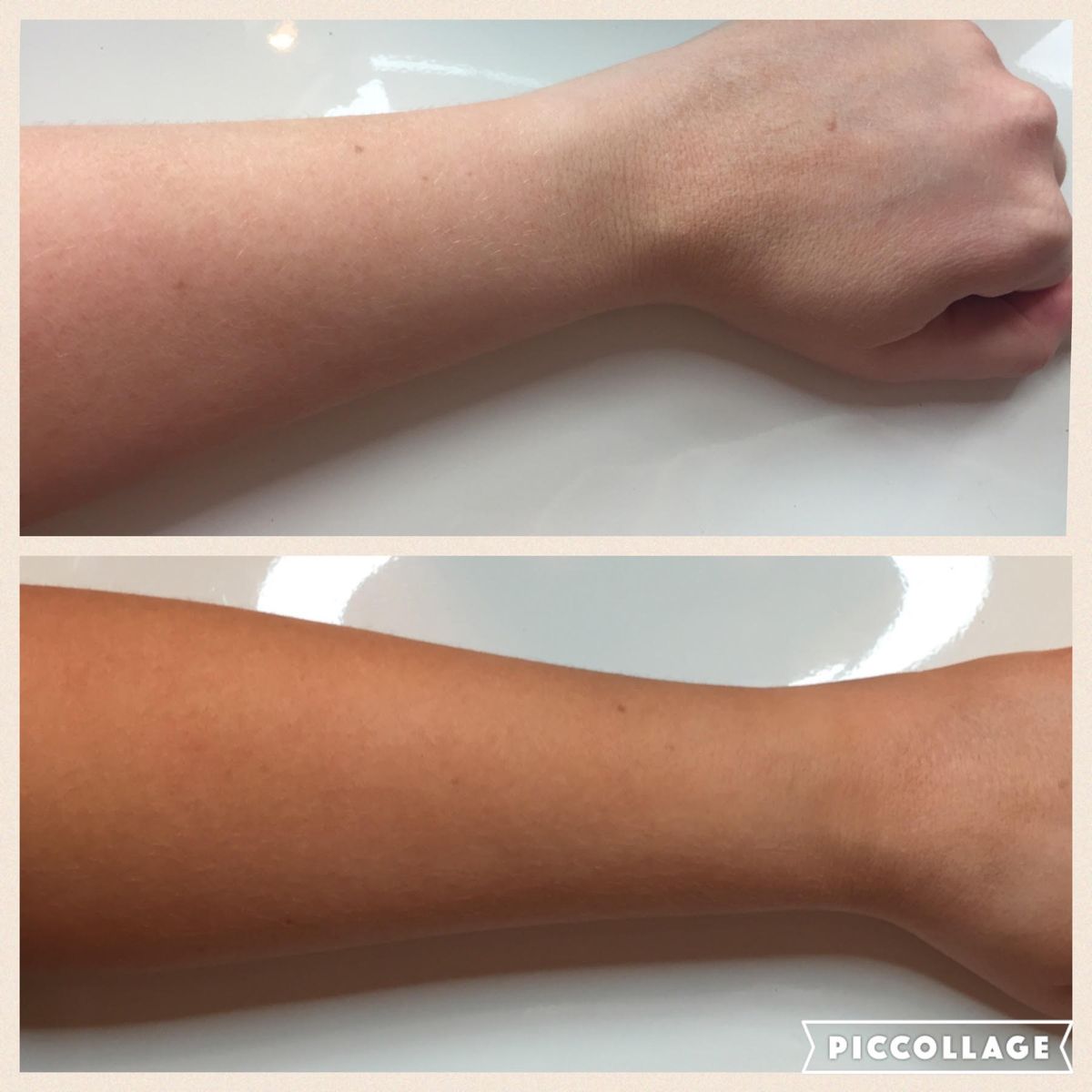
β˜€ Tanning

Meditation, regular sleep, light exercise, and social support help lower stress hormones.

By Doctors

β˜€ Post-Inflammatory Hyperpigmentation

Dark spots left behind after pimples, irritation, or weather stress.

By Doctors

β˜€οΈ How to Protect Your Skin Abroad

1. Daily Sunscree 2. Barrier-Boosting Moisturizer 3. Gentle Skincare 4. Sun Protection Accessories

By Doctors

Scroll to Top