blog

🧠 Why Itching (& Rashes) Happens

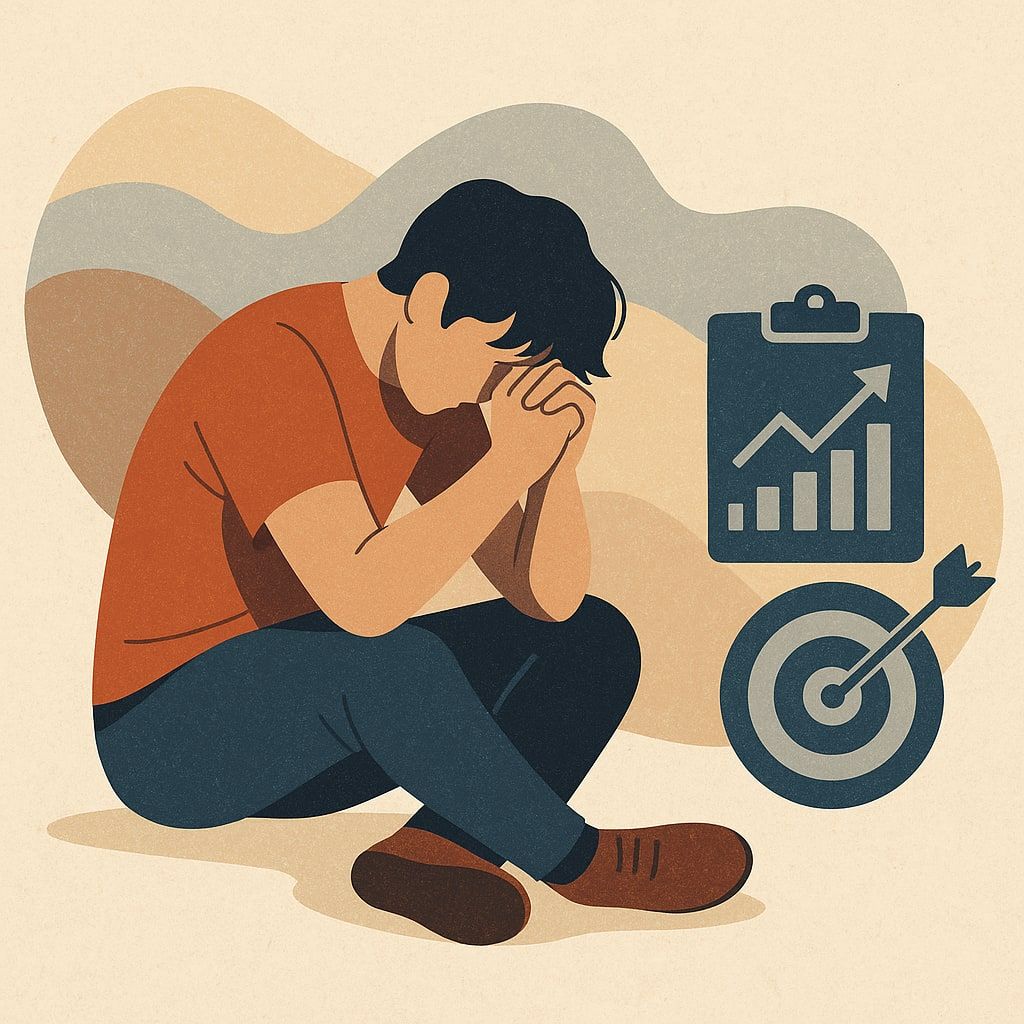
🧠 Stress & Lifestyle Change

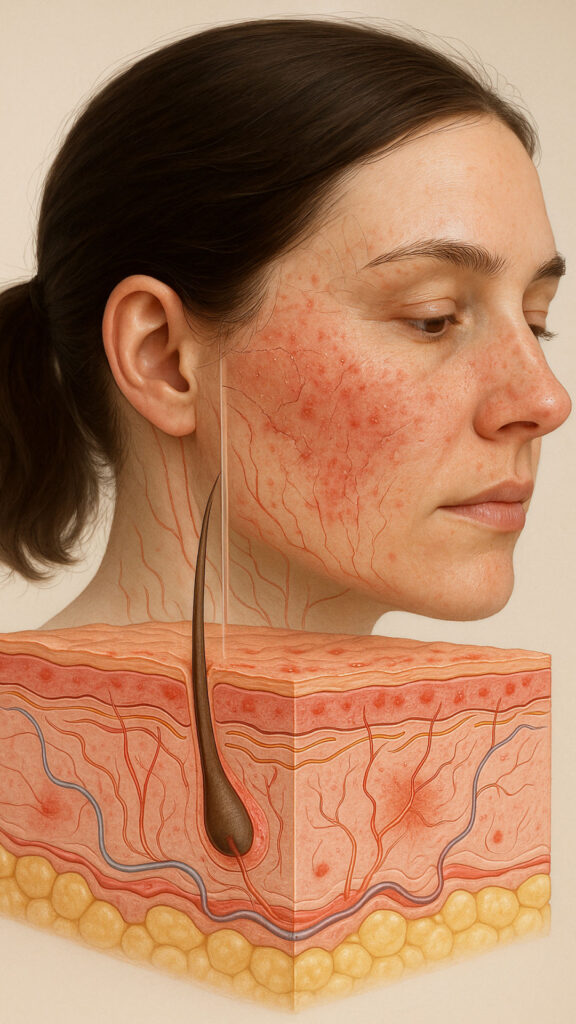
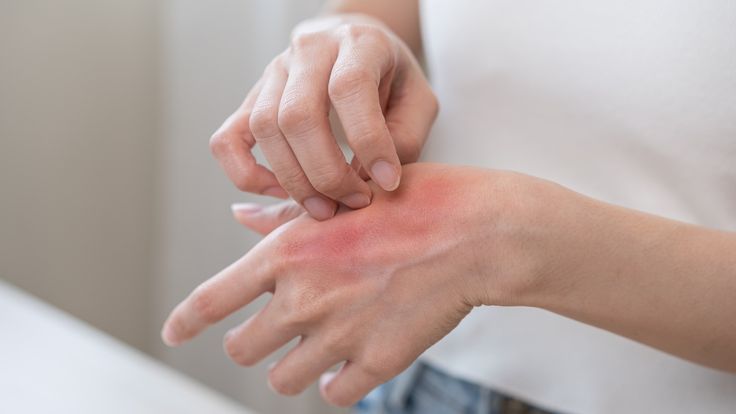
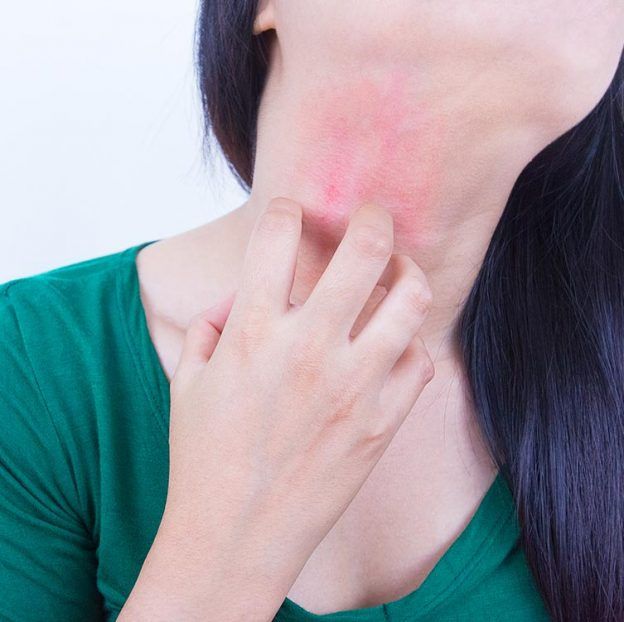
Itching and rashes happen when the skin gets irritated, inflamed, or reacts to something, often involving the immune system releasing chemicals that cause redness, bumps, and the urge to scratch, triggered by allergies (poison ivy, soaps), skin conditions (eczema, psoriasis), infections (viruses, bacteria), dry skin, or even internal diseases, nerve issues, or stress.

LATEST ARTICLES

🛡️ 1. Dry Skin (Very Common)

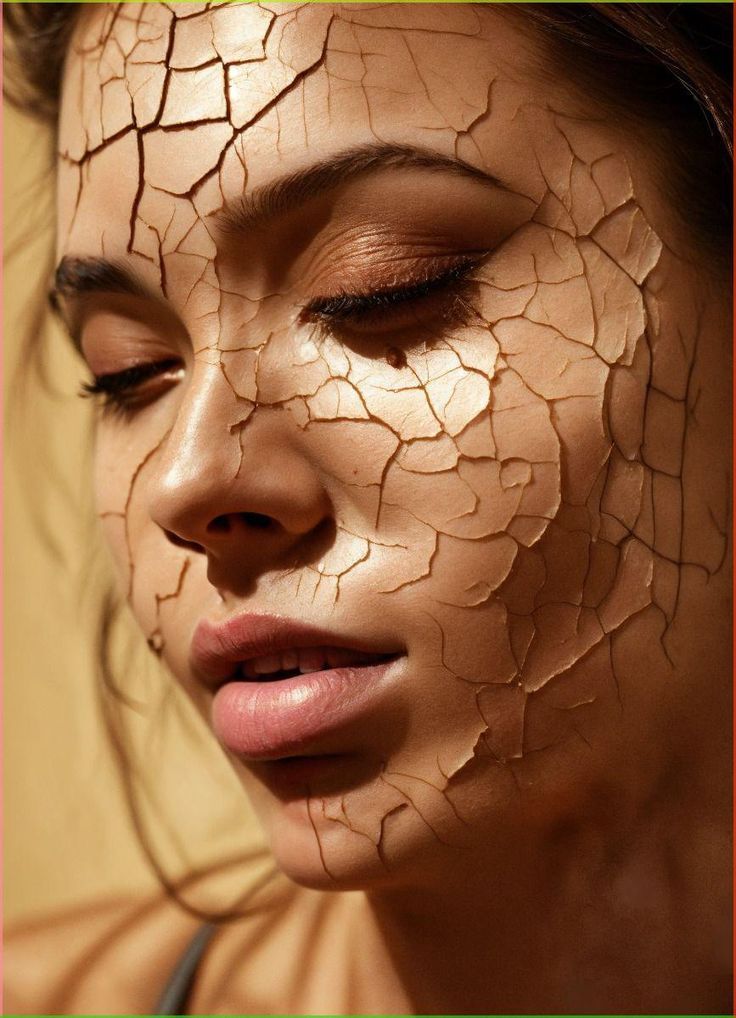
Cold weather + indoor heating = skin loses natural moisture, making it itchy and irritated. Dry skin itself can trigger itching even without visible rash.

🔥 2. Contact Dermatitis (Allergic / Irritant Reaction)

This rash occurs when your skin reacts to:

  • Soaps, detergents

  • Fragrances or perfumes

  • Metals (like nickel)

  • New creams or fabrics
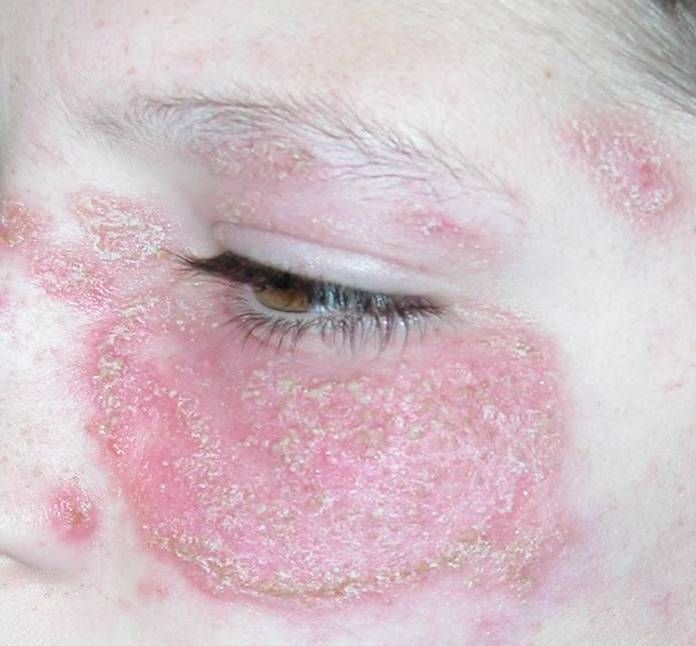
    This causes redness, itchiness, and sometimes blisters or peeling.

🪲 3. Skin Conditions

Some skin disorders can cause persistent itching and rashes:

  • Eczema / Atopic dermatitis – dry, inflamed red patches

  • Psoriasis – scaly, inflamed patches that itch or burn

  • Fungal infections (like ringworm) – circular red rashes often itchy
    These may need special treatments.

🪶 4. Heat, Sweat & Weather

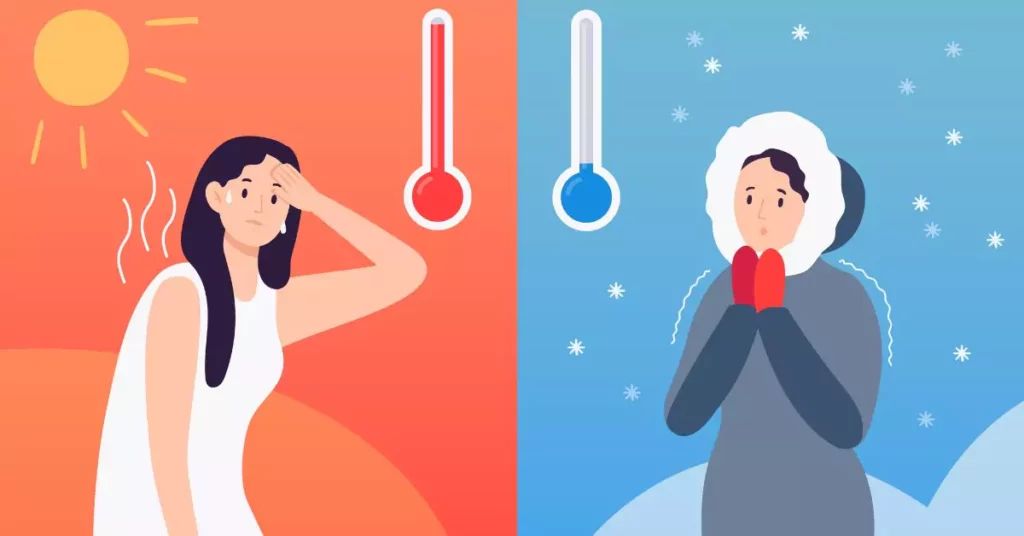
Hot, humid places (like monsoon climates) can cause fungal infections or rashes in folds of skin (underarms, inner thighs), leading to itching.

🧴 5. Allergies & Other Triggers

  • Insect bites

  • New laundry detergents

  • High heat or cold air

  • Stress
    can all cause or worsen itching.

🧪 When It’s Not Just the Move

While many people report hair changes after relocation — as seen in personal accounts — doctors say there’s no strong evidence that simply moving abroad directly causes hair loss on its own. Instead it’s the combined effects of stress, environment, diet, lifestyle changes, and potentially underlying hair conditions that trigger it.

✅ What You Can Do

Improve Diet

Protein, iron, zinc, omega-3 & vitamins support hair strength. A balanced nutrient intake helps hair regrow

By Doctors

Manage Stress

Meditation, regular sleep, light exercise, and social support help lower stress hormones.

By Doctors

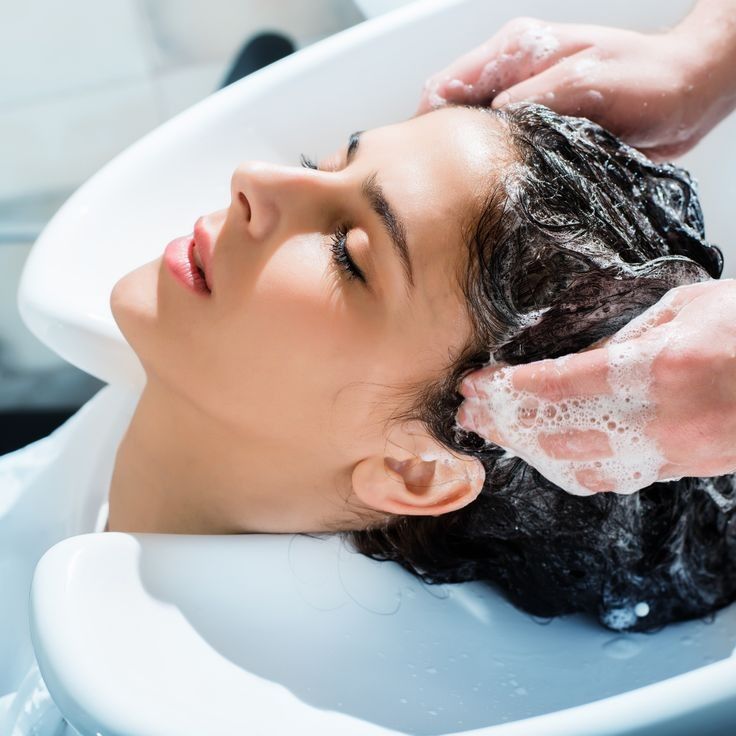
Adjust Hair Care Routine

Protein, iron, zinc, omega-3 & vitamins support hair strength. A balanced nutrient intake helps hair regrow

By Doctors

Get Medical Check-Up

A dermatologist or trichologist can check for deficiencies, hormonal causes, or pattern hair loss.

By Doctors

Scroll to Top