blog

🌦️ What Climate/Weather Shock Means for Hair

When you move to a very different climate — hot to cold, dry to humid, low pollution to high pollution — your hair and scalp must quickly adapt. That adaptation process can temporarily disrupt hair health.

LATEST ARTICLES

🌡️ 1. Temperature & Humidity Changes

  • Cold, dry air strips moisture from your scalp and hair, making strands brittle and weak. Low humidity increases transepidermal water loss, which dries out the scalp and can worsen hair fall.

  • High humidity causes hair cuticles to swell, leading to frizz, weakness and breakage.

  • Rapid temperature swings (like going from a warm indoor place to cold outside) can damage the hair’s structure — expanding and contracting the hair shaft repeatedly makes it more prone to breakage.

🌫️ 2. Air Pollution & Scalp Stress

Pollutants (tiny particles like PM2.5 and PM10) in urban or smoggy environments can:

  • Settle on the scalp and hair shafts

  • Cause oxidative stress and inflammation in hair follicles

  • Weaken keratin (hair protein) and slow growth
    ✔️ A 2019 study found that exposure to particulate matter decreases important hair proteins and increases fragility. 

In northern cities during winter, smog + dryness is especially rough on the scalp, worsening dryness and promoting hair fall.

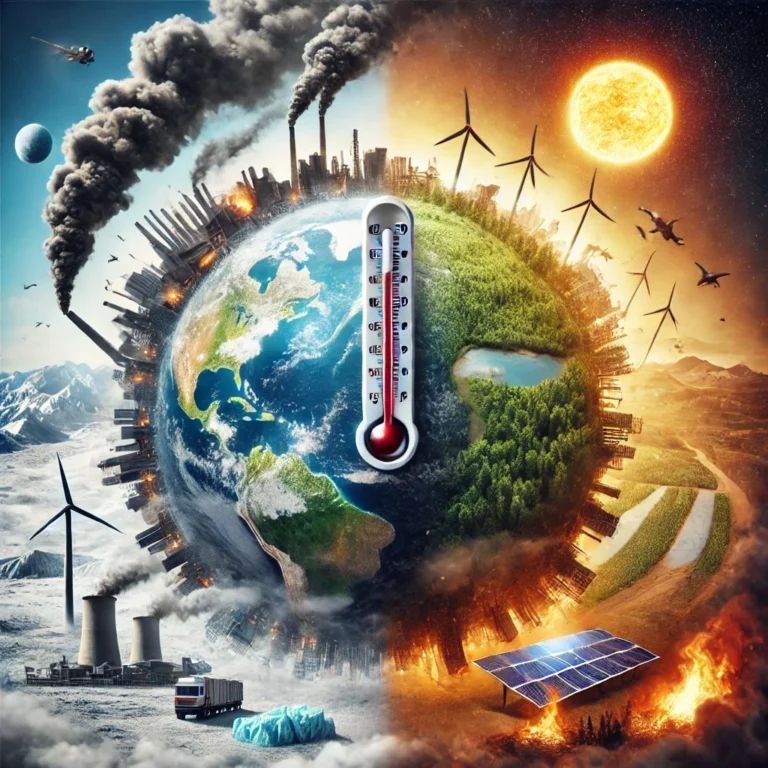
☀️ 3. Heat, UV & Sweat

Hot climates with intense sun exposure:

  • Strip natural oils from hair

  • Increase sweat and oil buildup that can irritate the scalp

  • UV radiation can damage keratin and weaken strands

Together, this can make hair more prone to breakage and shedding.

💧 4. Seasonal & Weather Shifts

Even within the same region, seasonal climate changes (monsoon → winter → summer) can fluctuate moisture, temperature and pollution levels — often triggering noticeable hair fall in sensitive individuals.

🧠 Is It Permanent?

➡️ Usually not. Climate and weather shock can cause temporary hair fall or breakage, but once your scalp and hair adjust to the new environment — and you support them with proper care — hair health typically improves within a few weeks to few months.

🛡️ How to Protect Your Hair from Climate & Weather Stress

🔹 Moisturize & Protect

Use hydrating shampoos & conditioners Apply leave-in oils or serums Protect from UV with hats or SPF products

By Doctor's

🔹 Scalp Care

Gentle exfoliation/removal of pollutants Regular scalp massage to improve blood flow

By Doctor's

🔹 Adjust Routine per Weather

Winter: heavier conditioners Summer/Monsoon: lighter formulas & regular cleansing

By Doctor's

🔹 Healthy Diet & Hydration

Adequate water and nutrients (protein, vitamin D, iron, omega-3) support stronger hair follicles.

By Doctor's

Scroll to Top